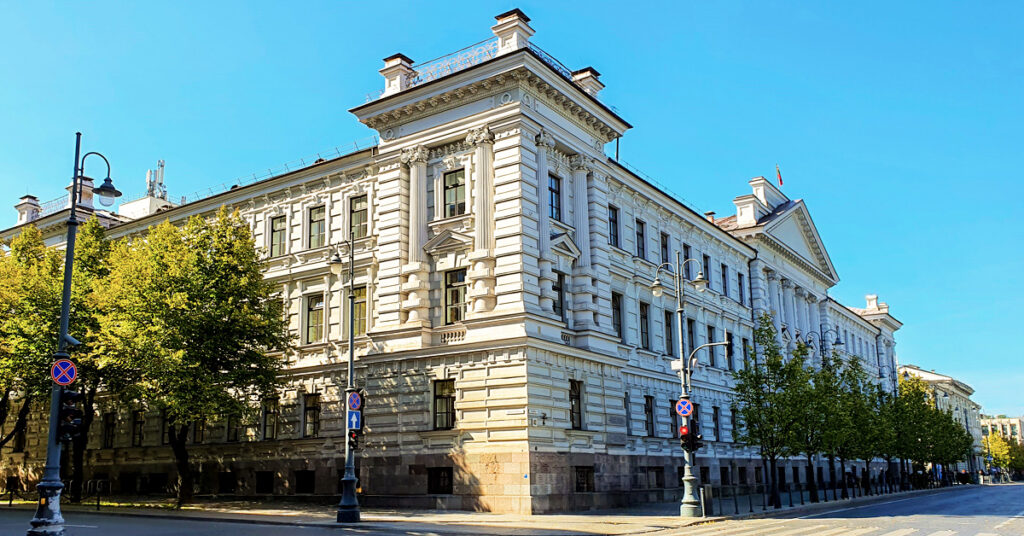
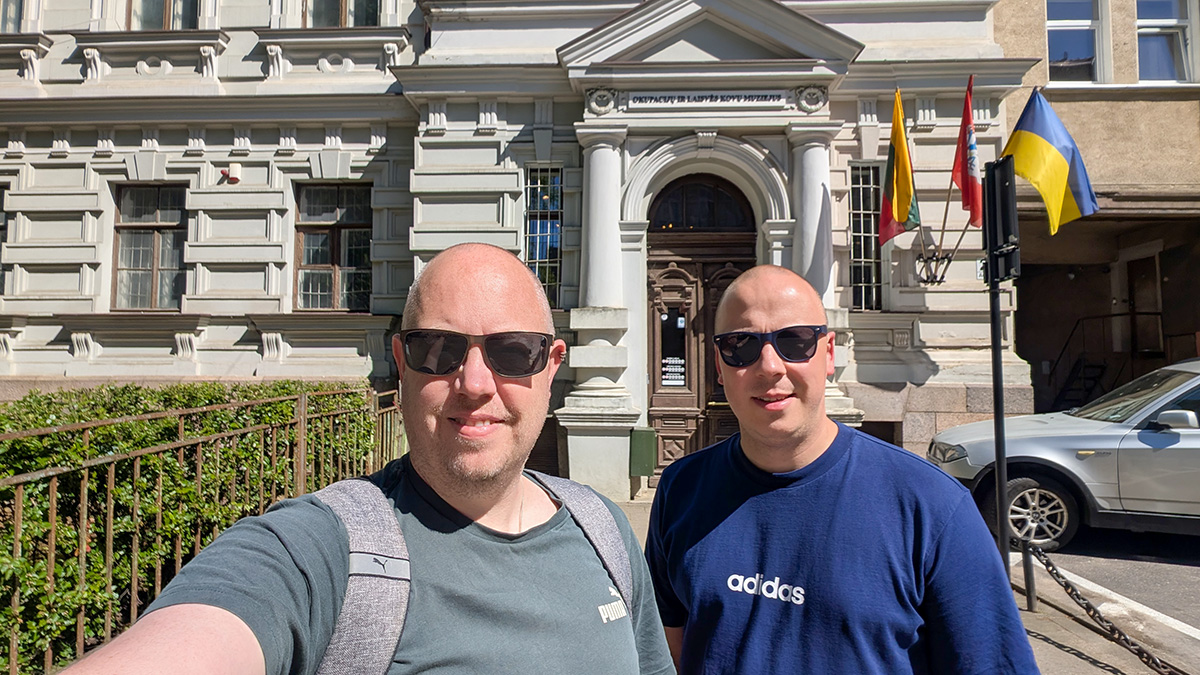
We’ve always been drawn to Dark Tourism and buildings that have a story to tell so the KGB Museum was at the very top of our list of things to do in Vilnius. It’s officially called the Museum of Occupations and Freedom Fights and it tells the story of Lithuania’s brutal fifty-year struggle under Soviet and Nazi rule, right in the building where the worst of it actually happened.
It’s not just a collection of old photos and dusty exhibits. The museum is a preservation of the original basement cells, interrogation rooms and execution chambers used by the KGB until 1991. We were really intrigued to get a look inside and see what it was like when it closed in 1991, the same year that Denis was born!
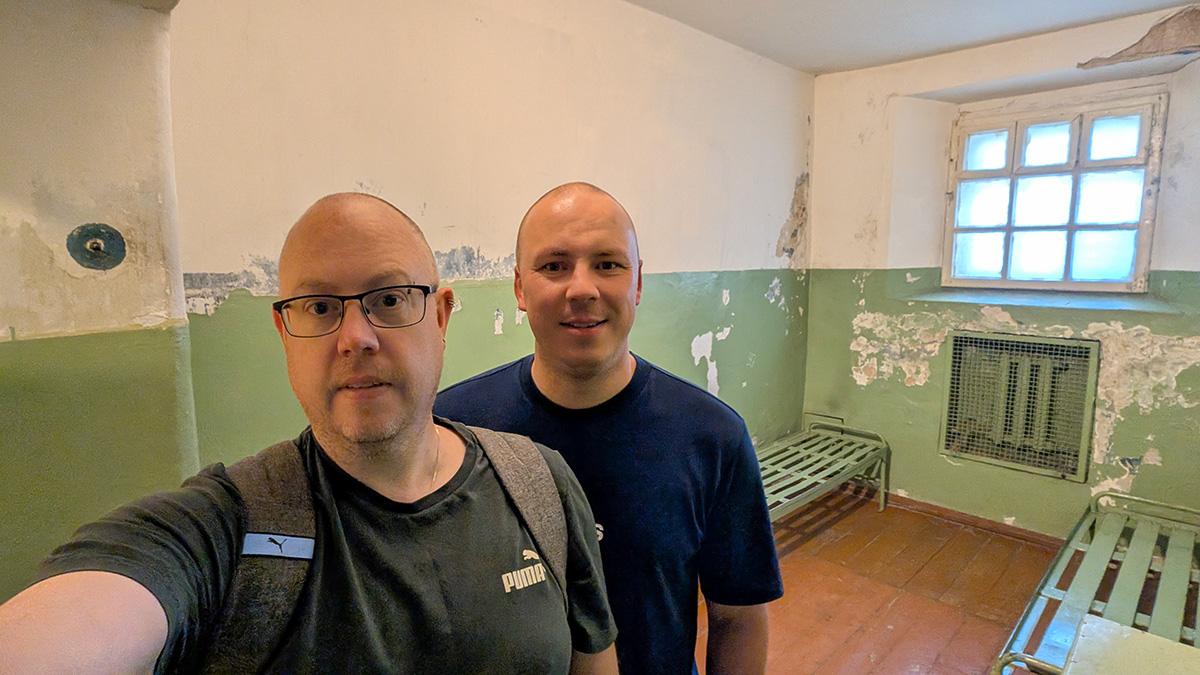
We found it fascinating. There’s something a bit unsettling about standing in the exact basement where the Soviet Union kept people who led the fight against Lithuania’s occupation, although people went to prison here for much less. It’s emotional at times.
It’s the most famous spot in Vilnius for a reason but you’ve got to be in the right frame of mind before you head in. It’s a lot to process and it’s definitely not your typical museum walk-through. Here’s our honest take on the experience and the practical bits you need to know.
A Quick History of the KGB Museum
The building dates back to 1890 when it was built as a courthouse for the Russian Empire. It’s an imposing place but the timeline of what’s actually happened inside is pretty dark. While Lithuania managed to break away and stay independent for a good stretch between 1918 and 1940, the building soon found itself at the centre of the country’s occupation.
During World War II, it was occupied by the Gestapo before the Soviet KGB took it over in 1944 and stayed put until Lithuania finally regained its independence in 1991. For those nearly fifty years, this was the absolute nerve centre of the Soviet secret police. It’s where they planned their operations and more famously where they dealt with anyone who didn’t fall in line.
They converted the basement into a high-security prison and interrogation centre. This wasn’t just for holding people. It was where political prisoners were questioned, tortured or sentenced to years of hard labour in the gulags.
What makes it so fascinating now is that it’s the only museum in the Baltic States that’s actually housed in the original building where the KGB operated. They haven’t tried to sanitise the past or turn it into a shiny exhibition. It’s all still there, from the original surveillance kit on the upper floors to the cold damp cells in the basement. It’s probably the most interesting look inside the USSR we’ve had since our visit to the Chernobyl Exclusion Zone.
Top Things To See & Do
The museum is spread across three floors but the route is pretty straightforward. You’ll start on the upper floors which deal with the history of the resistance before heading down into the basement cells. It usually takes about two hours to get through it all. These are the bits that really stuck with us:
The Surveillance and Spying Rooms
On the upper floors, there’s rooms dedicated to how the KGB actually operated day-to-day. It’s full of vintage listening devices, hidden cameras and old-school radio equipment used to keep tabs on people. Seeing the actual stuff they used to monitor the city is fascinating but also a bit creepy when you realise how constant the surveillance was. It’s like something from a Cold War movie!
The Basement Prison Cells
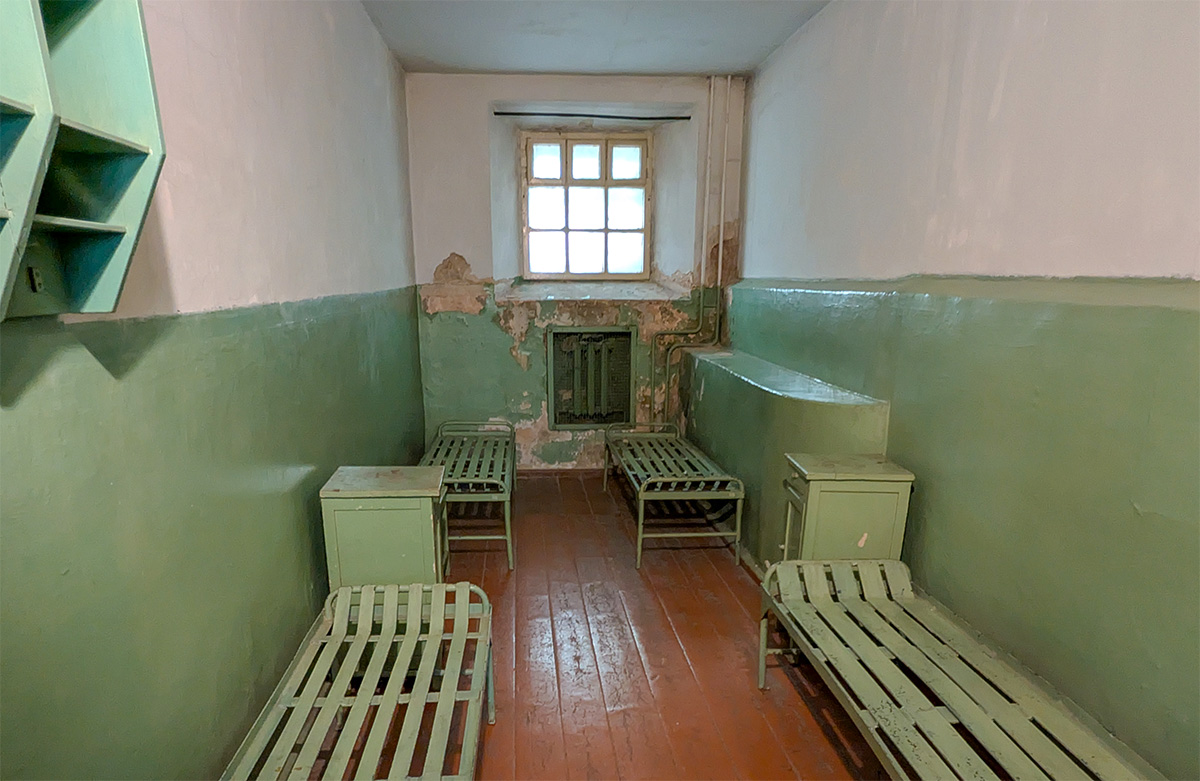
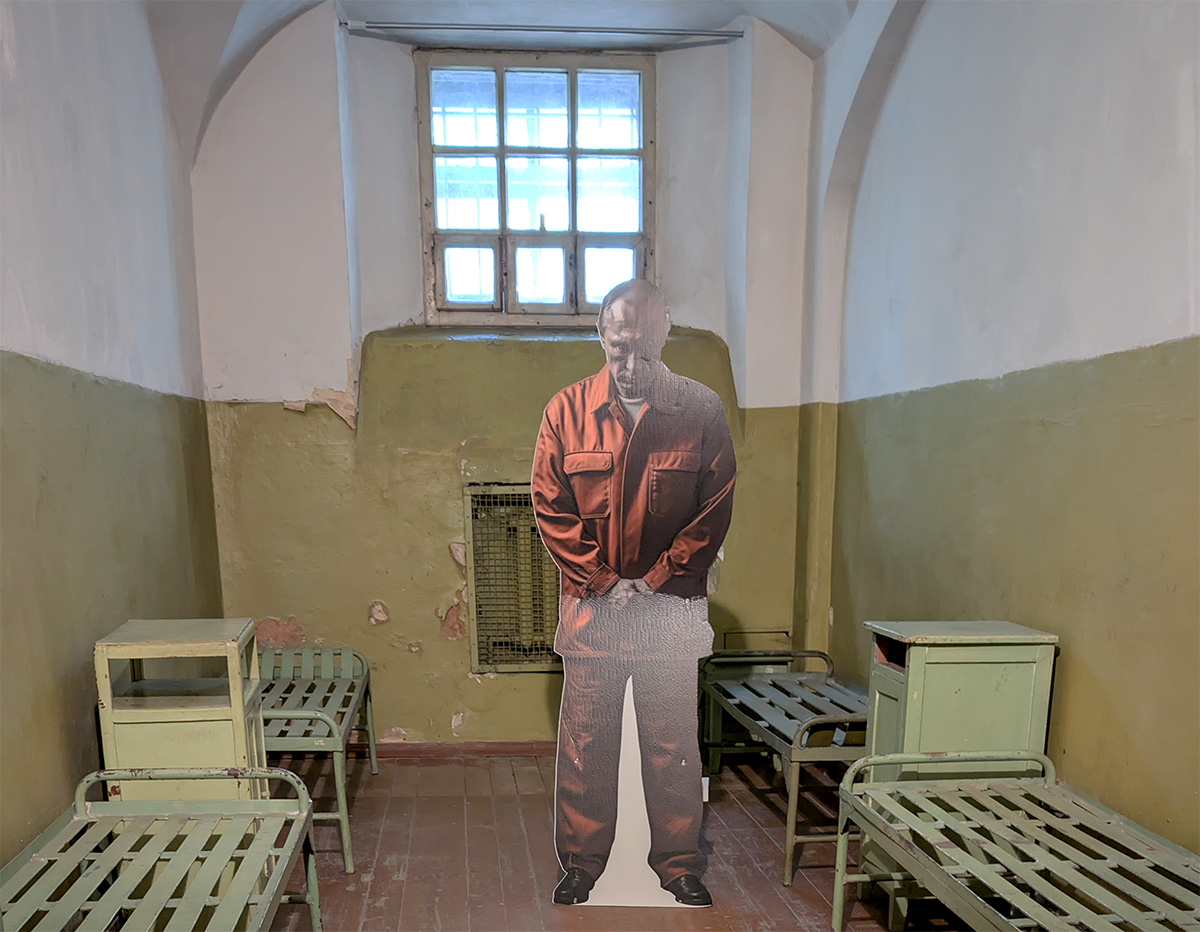
This is the part of the visit that everyone talks about and for good reason. The KGB left these cells almost exactly as they were in 1991. Walking through the narrow corridors and looking into the tiny, damp rooms where prisoners were held is a lot to take in.
You’ll see the boxes. These were cells so small you couldn’t even stand up properly. You’ll also see the solitary confinement rooms. There’s also the water cell, which is essentially a tiny platform surrounded by freezing water. Prisoners had to balance on it just to stay dry. It’s unnerving and definitely stays with you.
The Interrogation Rooms
Just down the hall from the cells are the rooms where the questioning happened. One of them is heavily padded from floor to ceiling which was designed specifically to muffle the screams of the people inside. Standing in there is very unsettling. It’s one thing to read about this in a book but being in the place where it happened makes it feel very real.
The Execution Chamber
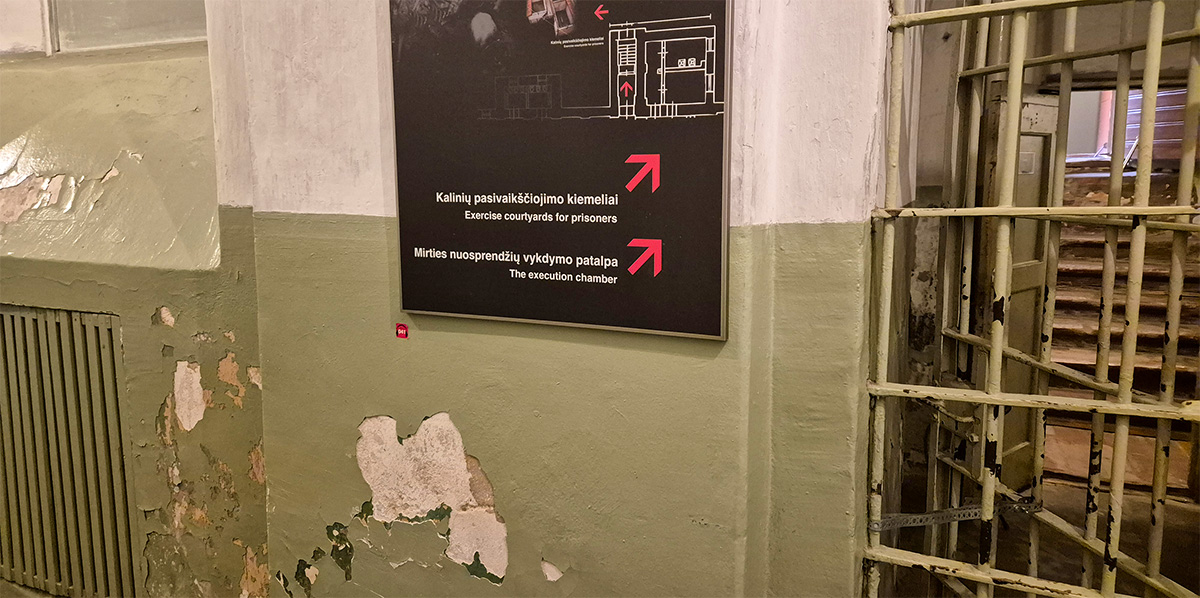
This is the final stop and easily the heaviest part of the museum. It’s located in a separate wing in the basement where over 1,000 people were killed. They’ve installed a glass floor over the original ground which reveals objects like shoes and personal belongings recovered from mass graves. It’s a very sombre, quiet space and it really hits home the scale of what went on in this building.
Curious Facts About the KGB Museum
- Before heading inside, walk around the exterior of the building. The names of those killed in the basement are carved into the stone blocks of the outer walls.
- During the Soviet era, the building was highly restricted and locals would intentionally cross the street just to avoid walking directly past the entrance.
- The museum officially opened in 1992, less than a year after the last KGB officers vacated the premises following the collapse of the Soviet Union.
- Before it became a prison under the Gestapo and KGB, the building actually housed a Lithuanian gymnasium (secondary school) during the brief period of independence.
How To Get to the KGB Museum in Vilnius
The museum is right off the main shopping street, Gediminas Avenue (Gedimino prospektas). It’s straight across from Lukiškės Square so you really can’t miss the building.
If you’re staying in the Old Town, you’re looking at about a 15-minute walk. We stayed at the Amberton Cathedral Square Hotel and just walked up from there. It’s a handy spot to base yourself if you want to be central but still close enough to walk to the museum.
You can check out the prices of hotels in central Vilnius here. If you’re looking for more tips on where to stay and what to eat, check out our ultimate Vilnius city break guide!
If you don’t fancy the walk or you’re coming from further out, plenty of local buses stop right by the square. Taxis are quite reasonably priced in Vilnius too.
Tickets & Prices
We were surprised how cheap it was to get in. It was only €6 each so we thought that was pretty decent for what it was. They do concessions for students, seniors and children too, although maybe take the kids to the zoo instead! It might be a bit much for them.
If you’re planning on seeing a lot of the city, we’d definitely recommend looking into the Vilnius Pass. It gives you free entry here as well as lots of other top sights so it can save you a fair bit of money if you’re hitting the main attractions like the Palace of the Grand Dukes of Lithuania. You can get a Vilnius Pass here.
While you can just walk around yourself, you can also do a guided tour. There’s so much history packed into this building that having a local guide to explain the context of the cells and the resistance might be something you’re keen on. We’ve seen some brilliant small-group walking tours that focus specifically on Soviet Vilnius and include your museum entry.
Opening Times & Best Time to Visit
You’ll need to plan your itinerary carefully because the museum is closed at the start of the week. They’re open from Wednesday to Saturday between 10:00 and 18:00 and on Sundays from 10:00 until 17:00. Just keep in mind that they’re completely shut on Mondays and Tuesdays so don’t get caught out.
As for the best time to go, we’d definitely suggest getting there on a weekday morning right as the doors open. The corridors are narrow and the basement cells can feel a bit claustrophobic once the crowds start to build up. Getting in early gives you that bit of quiet space you really need to take everything in properly.
Facilities & Amenities
The museum has standard visitor facilities including clean toilets near the entrance but you won’t find a café inside due to the nature of the building. There isn’t a dedicated cloakroom for bulky bags and because the basement corridors are incredibly narrow, it’s best to leave large backpacks at your hotel. There is a small bookshop at the ticket desk if you want to pick up literature on Lithuanian history.
Practical Tips for Visiting
- Get the audio guide: There’s decent signage in English but the audio guide is well worth the extra bit of cash. It gives you a much deeper, more personal look at the stories of the people who were actually held here. The guide really brings the history to life.
- Prepare for a heavy day: This isn’t a light-hearted tourist attraction and the atmosphere is very sombre. We’d definitely suggest planning something a bit more uplifting for afterwards like a walk through Bernardine Gardens or a nice dinner in the Old Town.
- Leave the kids behind: This museum isn’t for young kids because of how graphic the torture cells and the execution room are. It’s an educational experience for older teenagers but it’s not a place for kids.
- Dress warmly: Even if you’re visiting during the Summer, the basement prison is damp and chilly. You’ll definitely want to bring a light jumper or a jacket with you.
- Link it with a day trip: We REALLY wanted to see the Cold War Bunker but it was closed while we were there. It looks well worth a visit!
What Else is Nearby?
Because the museum is centrally located along Gediminas Avenue, you are in a brilliant spot to explore the modern side of the city once you finish your visit:
- Lukiškės Square: Located immediately opposite the museum. It’s the largest square in Vilnius and was ironically once home to a massive statue of Lenin which was torn down in 1991.
- Palace of the Grand Dukes of Lithuania: Just a scenic 15-minute walk down the main avenue. If you want a complete contrast in history, this rebuilt palace shows the incredible wealth of the Grand Duchy.
- Cathedral Square: Located right next to the Grand Dukes Palace, this is the historic heart of the city and a fantastic place to grab a coffee.
The Verdict on the KGB Museum in Vilnius
The KGB Museum is probably the most interesting thing we did in Vilnius. It’s not an easy visit and it’s definitely not fun but it’s incredibly powerful. Most museums just show you things in glass cases but here you’re actually walking through the history. It doesn’t shy away from how brutal the Soviet regime was but it also does a brilliant job of showing how much the Lithuanian people went through to get their country back.
We’ve seen plenty of historical sites across Europe but few feel as raw as this. Standing in the execution chamber or looking through the tiny peepholes in the cell doors really brings home the reality of what went on here until relatively recently. It’s a massive reality check and while it’s heavy, it’s probably the most vital thing you’ll do in the city.
If you’re heading to Vilnius, you’ve got to put this at the top of your list. It’s one of those places that sticks with you long after you’ve walked back out onto the street. It’s sombre, it’s intense and it’s an essential part of understanding what Lithuania is today.