If you’re stepping off a ship at the Pointe-à-Pitre cruise port, it’s your first taste of the French Caribbean in Guadeloupe. It was actually our departure port for our 7-night Southern Caribbean cruise on MSC Virtuosa but it’s a popular cruise port in its own right. We arrived a day early so we got to spend time exploring and taking it all in.
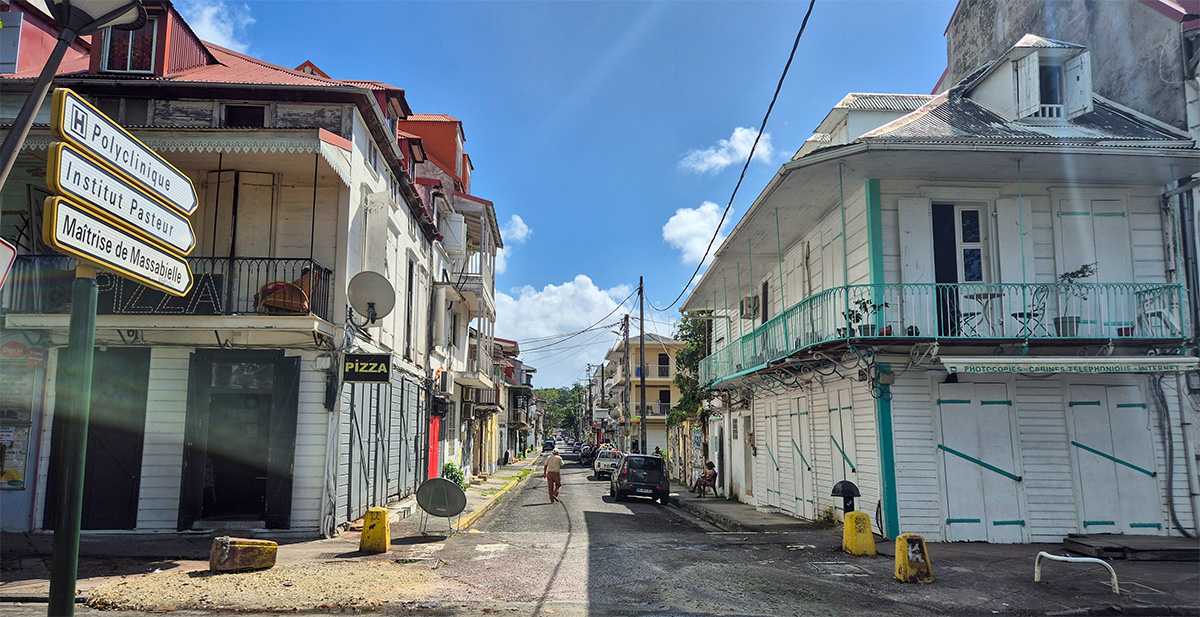
The first thing we noticed was how distinctly French it feels. That isn’t surprising given that it isn’t just a French Overseas Territory but an actual part of France, equal to the mainland back in Europe! The buildings have a distinct French colonial feel and you’ll hear a lot of French being spoken. At the same time, it’s also very Caribbean. It’s an interesting mix that makes for a fascinating place to explore.
Quick Guide to Pointe-à-Pitre Cruise Port
- Location: Grande-Terre, Guadeloupe (right beside central Pointe-à-Pitre)
- Typical Time in Port: 8 to 9 hours
- Walkable: Yes (easy access to the city centre)
- Currency: Euro (cards widely accepted, bring small cash for markets)
- Language: French and Antillean Creole
A Little Bit About Pointe-à-Pitre
Pointe-à-Pitre sits right where Guadeloupe‘s two main islands, Basse-Terre and Grande-Terre, meet. It’s the commercial centre of the territory but not the capital.
The city has been through the mill over the centuries. It’s survived earthquakes, fires and hurricanes. Because of that, you won’t find pristine streets lined with international chains, although we did see a McDonald’s. Instead, you’ll see slightly faded colonial buildings, old iron balconies and narrow streets.
The town was founded in the mid-1700s by the French, though the British had a go at developing it first during their short occupation. It quickly grew into a trading hub because of the booming sugar industry. The name comes from ‘Peter’s Point’ after a fisherman who repaired his boats here which has to be one of our favourite stories of how a town was named anywhere.
It’s interesting to note that Guadeloupe is part of the European Union, just like Martinque (you can read that cruise port guide here!)
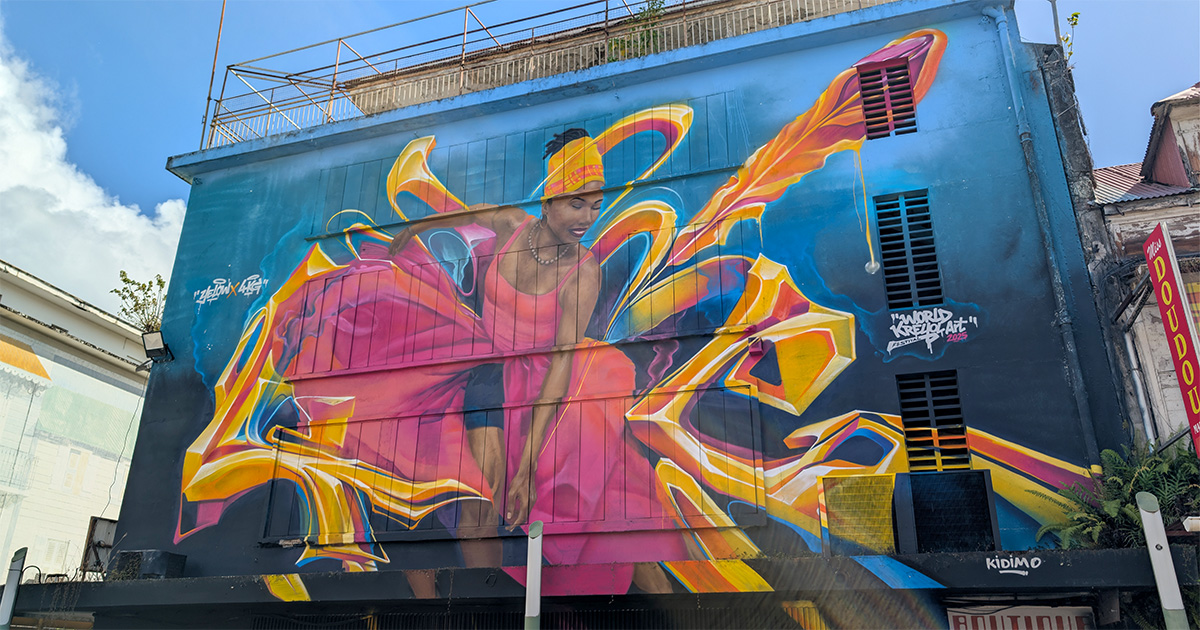
Docking Info & Port Layout
Cruise ships dock at the Pointe-à-Pitre terminal so you can walk straight off the ship. It’s very straightforward. Once you clear the gangway, you’re right in the city centre and it only takes a few minutes on foot to reach the main sights.
The terminal itself is modern and easy to navigate. You’ll usually walk out into a small market where locals sell crafts, rum and souvenirs. If you’re planning to leave the city, there’s a taxi rank right outside the gates.
Getting Around
If you plan on staying within the city then walking is your best option. The streets are mostly flat and the main things to see are close enough to the port. You can easily see the main squares, markets and churches in just a couple of hours.
If you want to explore further afield, you’ll find taxis at the port. We noticed a lot of things were closed during our weekend visit so grabbing a taxi to a nearby beach or booking a pre-arranged tour is likely a much better way to fill your day.
Curious Facts About Pointe-à-Pitre
- The famous Cathedral of St. Pierre and St. Paul isn’t actually a cathedral at all. They just call it a cathedral for some strange reason.
- The BBC programme Death in Paradise is filmed just a short drive away on the island.
- Guadeloupe has a big carnival season. If you’re visiting at the right time you might stumble into locals practising their drumming just like we did!
- The city sits exactly at the junction of Guadeloupe’s two main islands: the volcanic Basse-Terre and the flatter, limestone Grande-Terre.
- Guadeloupe is famous for producing ‘rhum agricole’. Unlike most Caribbean rums that are made from molasses, this version is distilled directly from squeezed sugar cane juice.
Top Things to Do in Pointe-à-Pitre
If you’re staying close to the port, here’s what you can expect to find within a short stroll of the terminal. It’s a working city, so don’t expect a tourist resort, but there’s plenty of character if you know where to look.
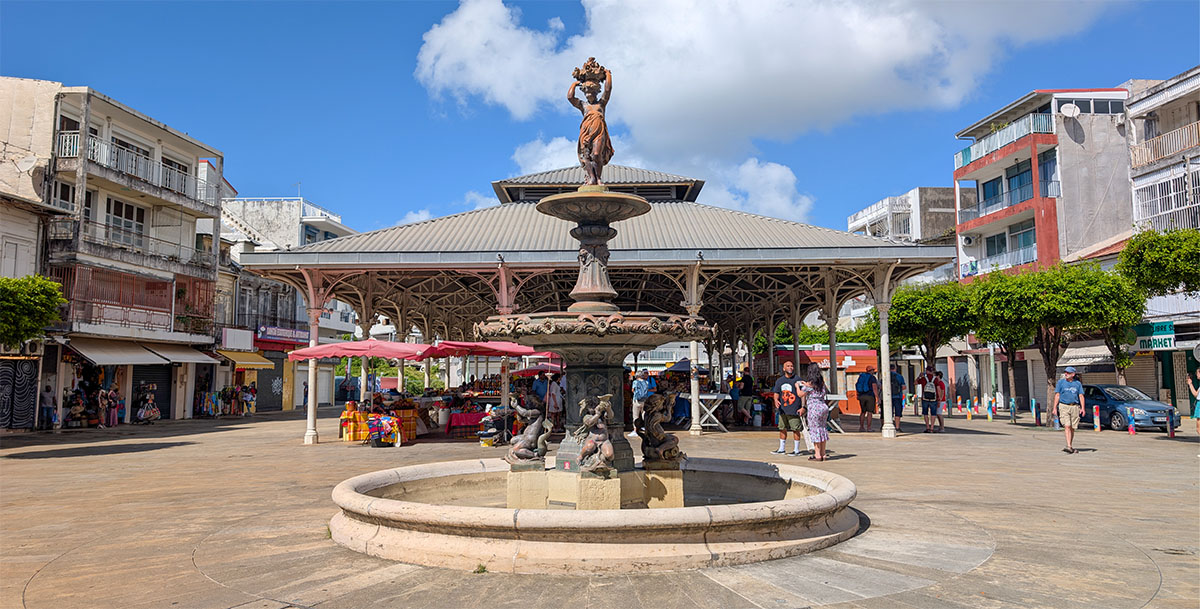
The Spice Market (Marché aux Épices)
It smells absolutely amazing in here. This historic covered market is bustling with locals and it’s the perfect spot to pick up spices, vanilla pods, homemade rum or a lovely straw hat. You’ll often see the local market women, known as ‘Doudous’, wearing traditional colourful outfits. Just be warned that you might end up buying spices that sit unused in your cupboards at home forever! The stallholders are very friendly but it gets quite crowded when the ships are in.
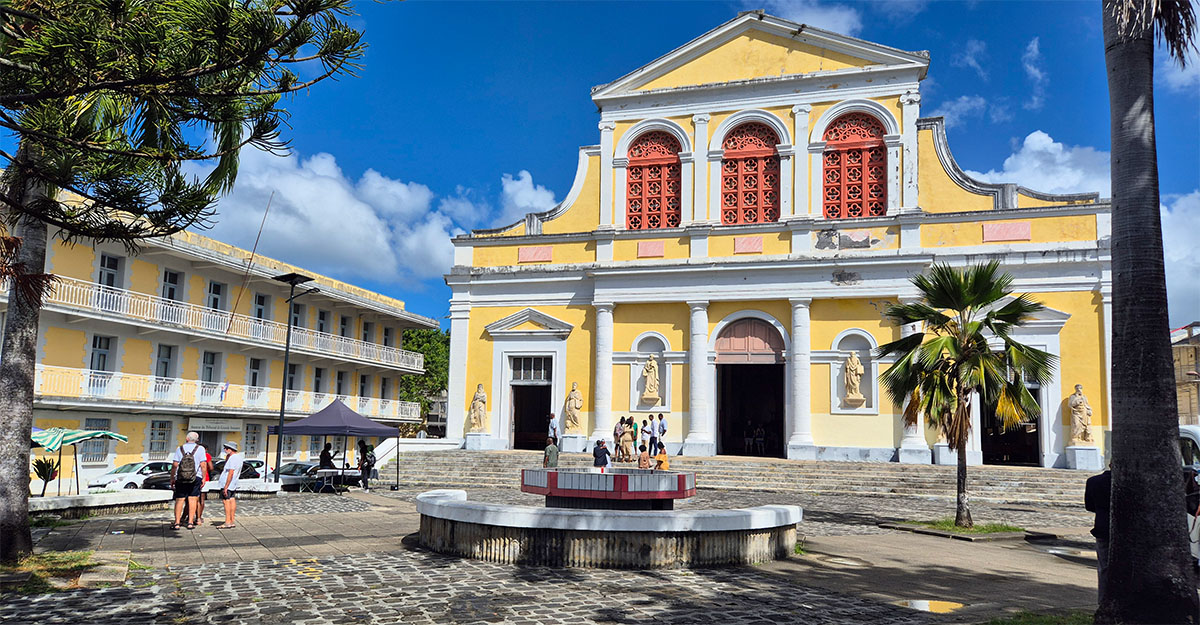
Cathedral of St. Pierre and St. Paul
This church has a very colonial design and a unique iron frame that was built to withstand earthquakes and hurricanes. It was actually constructed by the same French workshops that helped build the Eiffel Tower. It isn’t intricately decorated like other French churches you see, making it feel simple yet authentic. It’s painted a nice yellow and white so it makes for a brilliant photo opportunity.
Memorial ACTe
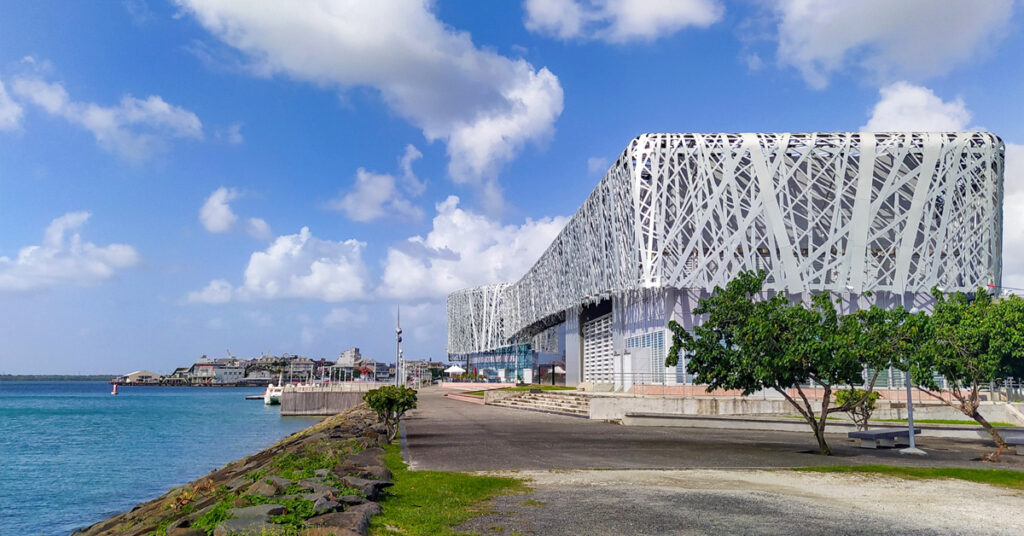
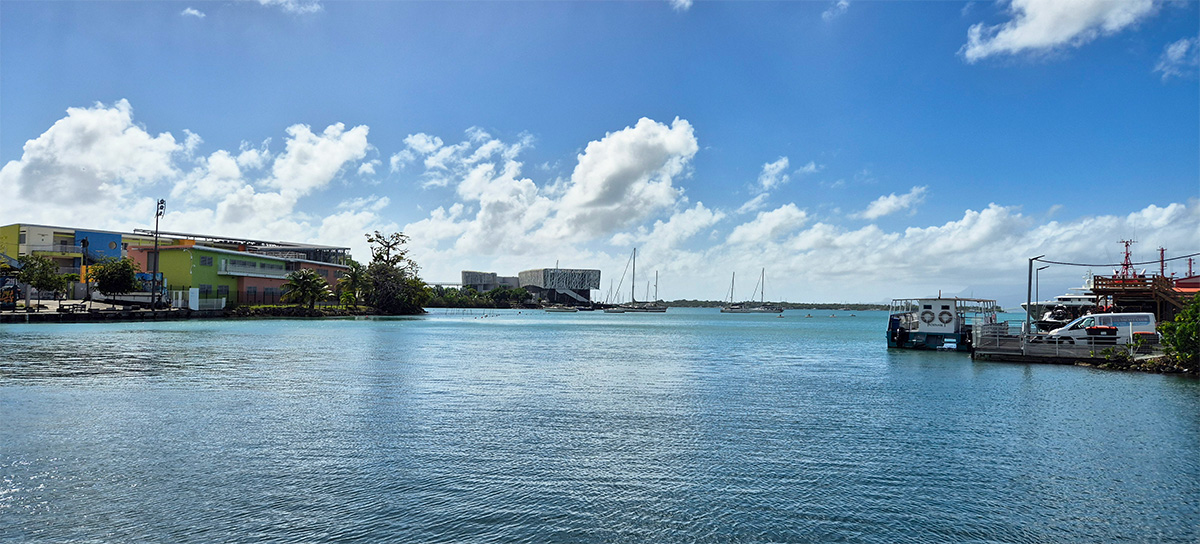
This museum tells the history of slavery in the Caribbean. Built on the site of a former sugar factory, the building itself is stunning and sits right on the waterfront with its unique silver lattice design. Inside, you’ll find interactive exhibits and contemporary art. We got to Guadeloupe quite late and it turns out the museum closes at half four so we completely missed out. Definitely prioritise this early in the day if you want to go inside.
Victory Square (Place de la Victoire)
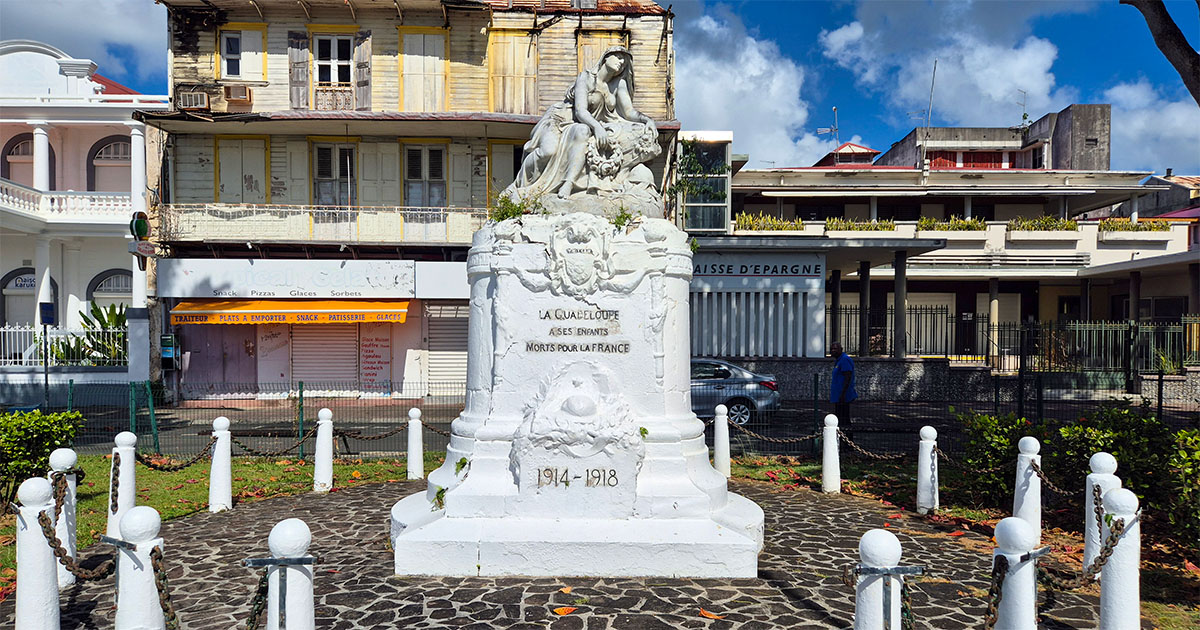
This is the main historic square in Pointe-à-Pitre. It’s lined with trees, statues of local historical figures and old colonial houses. There are also a few cafes dotted around the edges if you need a quick rest. It was quite quiet at the time of our visit except for a woman blowing a conch shell and some locals practising their drumming.
Museum of Art and History (MUSARTH)
Housed in a brightly painted 19th-century Creole townhouse, this museum showcases local art and history. The building itself is beautiful, featuring classic wrought iron balconies and traditional wooden shutters. Very French colonial. The sign outside said it was open from half nine to five but it was shut during our visit. Word on TripAdvisor is that it sometimes only opens on Mondays so don’t bank on it being open when you arrive.
Best Excursions in Guadeloupe
While the city has a few sights, the real magic of Guadeloupe seems to lie outside the port. If you have a full day, we recommend getting out of Pointe-à-Pitre to see more of the island.
Death in Paradise Locations (Deshaies)
If you’re a fan of the show, the fictional town of Honoré is actually the fishing village of Deshaies. It takes less than an hour in a taxi to get there from the port. You can book Death in Paradise location tours where you can visit Catherine’s Bar, see the police station, explore the botanical gardens and walk along the beaches seen on telly. We aren’t huge fans ourselves but looking back it actually would’ve been a really interesting day out.
Carbet Falls (Les Chutes du Carbet)
Nature lovers should book an excursion to the Basse-Terre side of the island. The Carbet Falls are a series of three waterfalls located in the Guadeloupe National Park. The second fall is the most accessible and is reached from a walking trail through the rainforest. It involves a bit of hiking but the views of the La Grande Soufrière volcano in the background are incredible.
Jacques Cousteau Underwater Reserve
If you’re into snorkelling or scuba diving, you could do an excursion to the Jacques Cousteau Underwater Reserve. Located over on the west coast of Basse-Terre, the water around the Pigeon Islands has turtles, colourful coral and tropical fish. It’s about an hour away by taxi or tour bus but it’s considered one of the best diving spots in the entire Caribbean. There’s even a bronze bust of Jacques Cousteau hidden underwater for divers to find.
Hike La Grande Soufrière Volcano
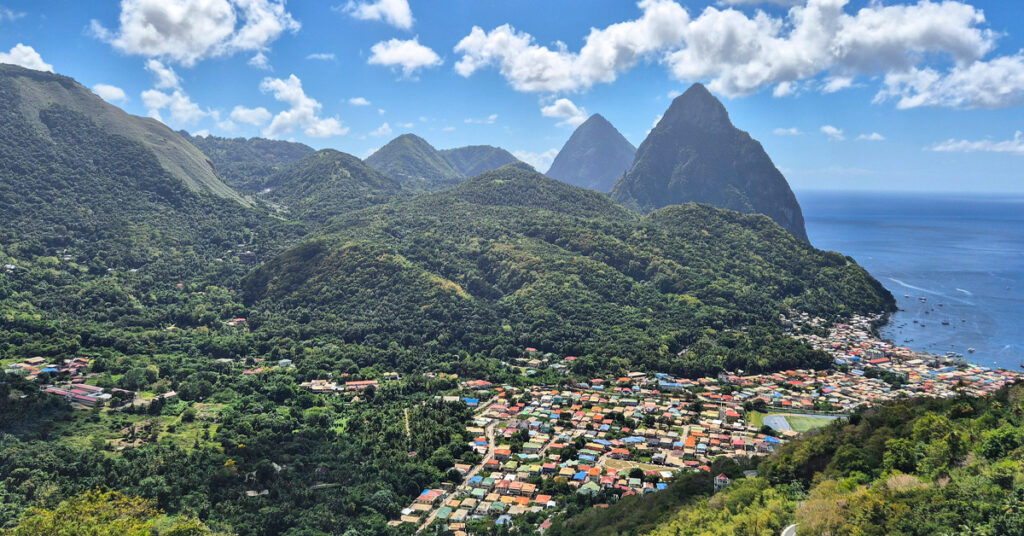
If just looking at the volcano from a distance isn’t enough for you, you can book a tour to hike right up it. It’s the highest peak in the Lesser Antilles and it’s still an active volcano. It’s a tough, sweaty climb that takes about two hours to reach the top and the summit is often covered in mist. It’s a bit of an adventure if you want something a bit more active than just lying on a beach all day. By the way, if you’re into hiking volcanos in the Caribbean, check out our Castries cruise port guide to read about the Pitons in St Lucia!
Hit the Beach at Gosier
Since the city centre is lacking in major attractions, grabbing a taxi to a beach like Gosier is a good idea for a relaxing afternoon. It’s only about 20 minutes from the port and has white sand and calm waters. You can even catch a tiny ferry or rent a kayak to get over to the Ilet du Gosier, which is a tiny uninhabited island with a lighthouse, snorkelling and a little beach bar.
Tips For Your Visit
- Weekend Closures: A lot of things close at the weekend including shops. Plan your day around the fact that the city might be quiet.
- Check Museum Times: Don’t leave your museum visits until the afternoon. Between random closing days and early finish times, you’ll be left staring at a locked door like we were.
- Language Barrier: Everyone speaks French and very little English is spoken outside of the main tourist spots. Having a translation app ready on your phone is a smart move.
- EU Data Roaming: Because Guadeloupe is officially part of France, your European mobile plan should work exactly like it does back home. It’s a bonus for using Google Maps or translating menus on the go without getting hit by Caribbean roaming charges! If you don’t have EU roaming, we use Airalo for esims and find them great!
- Bring Euros: Because it’s a French territory, they use the Euro. US Dollars are rarely accepted in local shops or markets.
Pointe-à-Pitre Cruise Port FAQs
Is Pointe-à-Pitre walkable from the cruise port?
Yes, it’s highly walkable. You can step right off the ship and wander straight into the city centre without needing a shuttle or a taxi.
Do I need to book excursions in Guadeloupe?
Honestly, yes. If you just want to browse a market and stretch your legs you can do it on your own. But to see the best of the island, we’d suggest an excursion.
Is it safe to walk around the port?
It generally feels very safe around the main tourist areas. As with any busy city, just keep an eye on your belongings in crowded spots like the Spice Market.
Are there beaches near the Pointe-à-Pitre cruise port?
There aren’t any sandy beaches right at the port or in the immediate city centre. If you want a proper beach day you’ll need to grab a taxi to somewhere like Gosier which is about 20 minutes away.
Is there anything to do with kids near the port?
If you’re travelling with kids, the Aquarium de la Guadeloupe is a good option. It’s located just a 10 to 15-minute taxi ride away at Bas du Fort marina. It’s the largest aquarium in the Caribbean and is ideal for families to spend an hour or two escaping the heat.
The Verdict on Pointe-à-Pitre
So, is Pointe-à-Pitre actually worth walking around? Look, we’ll be totally honest with you. There isn’t a massive amount to do in the city itself compared to other bustling Caribbean ports. If you just want to stretch your legs after a few days at sea, it’s definitely nice for a quick stroll. You can easily spend an hour or two soaking up the local atmosphere, smelling the spices in the market and admiring the colonial buildings before heading back to the ship for lunch.
However, if you have a full day in port and you really want to make the most of it, you’re definitely better off booking an excursion. The city centre just doesn’t offer enough to keep you entertained from morning until evening. This is especially true if you happen to dock over the weekend when the streets are incredibly quiet and most of the shops are shut.
Going a little bit further afield means there’s a whole lot more to see. Whether you want to hike a volcano, see where Death in Paradise is filmed or just relax on the white sand at Gosier beach, you’ll get a much better feel for how beautiful Guadeloupe is if you venture outside the city.